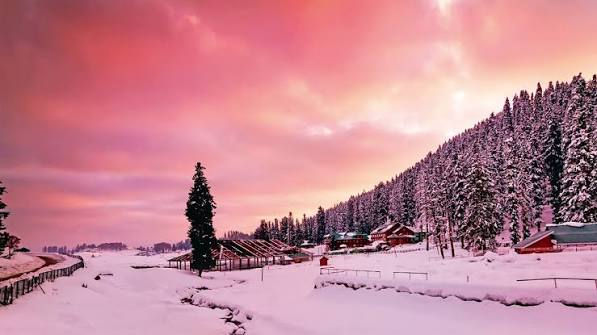
Snow shortage puts winter sports at risk
12/10/26, 07:30
The problem has become increasingly visible in North Kashmir ski resort Gulmarg as winter arrives without the consistent snow that once defined the season.
Kashmir Valley's winter sports economy depends heavily on reliable snowfall, healthy mountain ecosystems and the natural beauty that attracts visitors from across the globe. In recent years, periods of inadequate snowfall in Gulmarg have raised concerns among skiers, tourism operators and winter sports enthusiasts. The challenge is not simply about whether ski slopes remain open. It is about how climate change could reshape winter tourism, affect local livelihoods and increase pressure on an already fragile mountain environment.
The problem has become increasingly visible as winter arrives without the consistent snow that once defined the season. A study published in March 2026 reported seven consecutive winters of below-normal precipitation in Kashmir. It highlights the wider environmental concerns associated with shrinking snowfall.
The impact on winter sports has been particularly evident. In January 2024, Gulmarg experienced a severe shortage of snow, affecting tourist arrivals and ski-related businesses. The situation continued to raise concerns in February 2025, when the national winter games scheduled in Gulmarg had to be postponed because key ski slopes lacked sufficient snow. The event was expected to feature athletes competing in alpine skiing, snowboarding and other winter disciplines.
These developments expose the vulnerability of a tourism model that depends heavily on natural snowfall. Ski operators, hotels, guides, transporters, equipment suppliers and small vendors all depend on a successful winter season. When snow fails to arrive on time, bookings are cancelled, visitors shorten their stays and workers lose income. The consequences extend beyond tourism. Snowfall replenishes mountain snowpack, which contributes to water availability in rivers and streams during warmer months. Reduced winter precipitation can therefore affect agriculture, horticulture and communities far beyond the ski slopes.
Climate change is an important part of this picture. Rising temperatures can cause precipitation to fall as rain instead of snow, accelerate snowmelt and shorten the period during which slopes remain suitable for skiing. Changes in western disturbances, which bring much of the region’s winter precipitation, also influence snowfall. Natural weather variability remains important, and an individual snowless winter cannot be attributed solely to global warming. However, research on the Kashmir Himalaya has documented rising winter temperatures and declining snow cover in parts of the region, making long-term monitoring increasingly important.
At the same time, expanding sports tourism carries its own environmental costs. More visitors mean greater demand for accommodation, transport, electricity, water and waste disposal. A report from Gulmarg in February 2025 highlighted the scale of the litter problem, with more than 2,000 kilograms of waste reportedly collected daily from hotels, motels and vendors. Construction and the expansion of tourism infrastructure also raise questions about land use, forest cover and pressure on fragile mountain ecosystems.
The challenge, therefore, is twofold. Kashmir must prepare its winter sports sector for changing climate conditions while ensuring that tourism itself does not add to environmental degradation. Authorities should strengthen snowfall and temperature monitoring, publish reliable climate-risk assessments and develop contingency plans for seasons with inadequate snow. Tourism businesses should adopt energy-efficient practices, reduce plastic waste, improve sewage treatment and manage water responsibly. New infrastructure must respect ecological limits, particularly in forested and high-altitude areas.
Diversifying tourism is equally important. Gulmarg can promote nature walks, mountain culture, local crafts and other activities during periods when snow sports are not possible. Such alternatives must be developed carefully, without encouraging uncontrolled construction or overcrowding. Local communities should participate in planning and share the benefits of tourism.
Kashmir’s natural landscape is its greatest tourism asset, but it is not an unlimited resource. Winter sports cannot remain sustainable if snowfall becomes less predictable and the environment comes under growing pressure. Protecting mountains, forests and water sources must be central to tourism planning. A sustainable winter tourism strategy must recognise that protecting nature is essential to its survival.